
Version Control for Contracts: The Discipline Most Deals Skip
Why every contract draft needs a frozen v0, numbered versions, a clean-and-redline pair, and a verification step before it leaves the building, and what goes wrong without them.

Why every contract draft needs a frozen v0, numbered versions, a clean-and-redline pair, and a verification step before it leaves the building, and what goes wrong without them.

AI agents in M&A are rewriting deal execution — diligence, schedules, knowledge reps. What changes, what still needs a human, and how Florida deal teams adapt.

SEC Chair Paul Atkins’ launch of Project Crypto signals a major shift in U.S. digital asset policy — from regulation by enforcement to risk-based rulemaking. In this analysis, Montague Law breaks down the initiative’s key pillars, what it means for token issuers and DeFi builders, and why this could mark the beginning of a more coherent, innovation-friendly legal framework for crypto in the U.S.

The Clarity Act of 2025 is poised to become one of the most transformative crypto regulatory frameworks ever proposed in the United States.

The Digital Asset Market Clarity Act of 2025 (H.R. 3633) introduces the first comprehensive U.S. framework for regulating crypto assets, clarifying when a token is a security or a commodity—and which agency has jurisdiction. By defining key blockchain terms, outlining token lifecycle transitions, and establishing dual registration regimes under the SEC and CFTC, the Act offers long-awaited regulatory certainty for startups, exchanges, and investors navigating the evolving digital asset ecosystem.

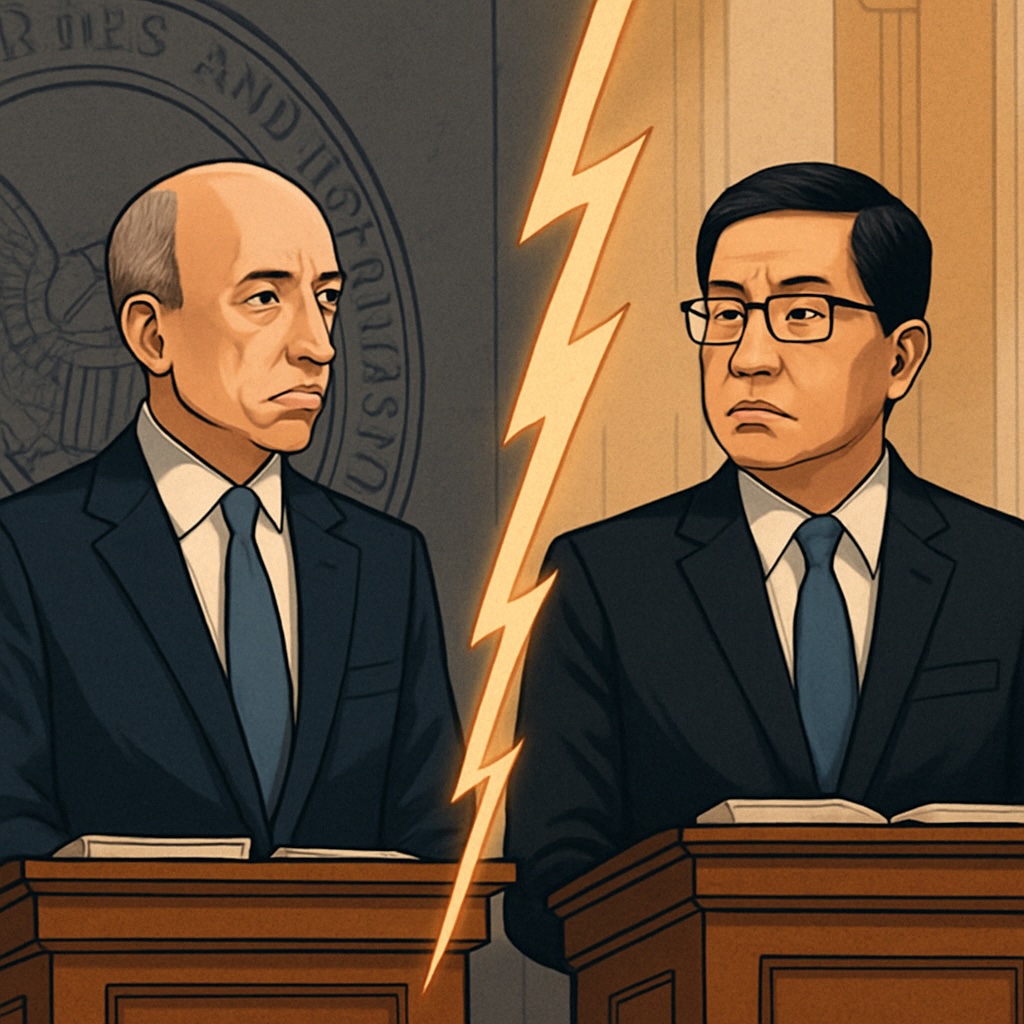
A quiet footnote from SEC Chair Gary Gensler just sparked a not-so-quiet rebuke from Commissioner Mark Uyeda—exposing deep rifts inside the agency over how to regulate crypto. With no clear rules and rising public tension, the SEC’s internal divide may be the biggest threat to digital asset clarity yet.

X’s quiet update to its blocking feature means users you block can now still see your posts. While framed as a win for transparency, this shift could have real legal and safety implications—from harassment risks to potential violations of app store policies.

From open-source license landmines to product liability nightmares, investing in robotics isn’t your typical venture play. This article dives into the real legal and strategic issues VCs face in robotics—from IP tangles and regulatory fog to murky moats and malfunctioning hardware. If you’re funding the future, start here.

In tech M&A, the biggest risk isn’t hidden in the numbers—it’s buried in the code. Technology classification is the key to understanding what you’re really buying.